In modern buildings, transportation facilities, and industrial equipment, fire safety has long been a core consideration in design and material selection.
- +86-18827410640
- wuhandingtai@163.com
- No. 508, Jingguang Avenue, Xiaogan City, Hubei Province



In modern buildings, transportation facilities, and industrial equipment, fire safety has long been a core consideration in design and material selection.
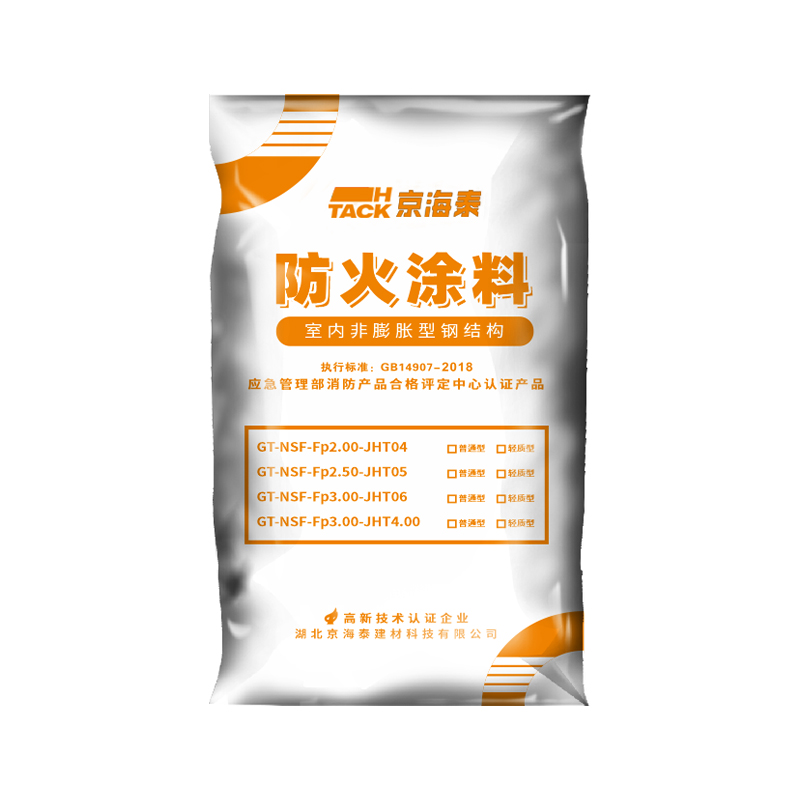
Non-expanding fire retardant coatings, however, take a different approach—they do not rely on volume expansion. Instead, they utilize a dense inorganic structure, low thermal conductivity, and high thermal stability to construct a stable, durable, and cle
Despite the limitations of non-expansive fire retardant coating in terms of thermal insulation performance, its unique advantages still make it irreplaceable in certain fields.
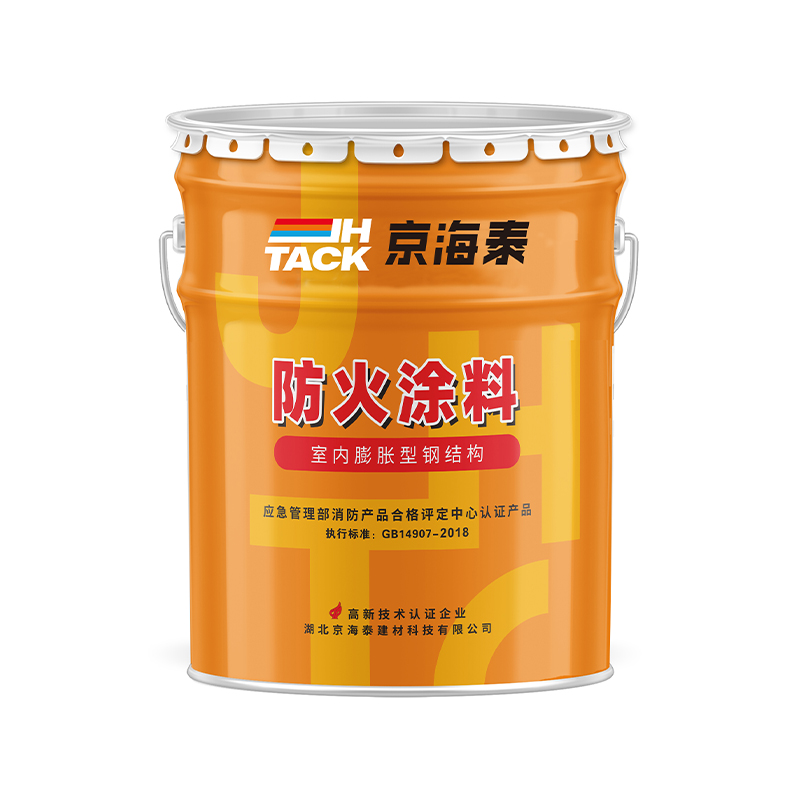
The char layer formed by intumescent fire retardant coating, seemingly light and fluffy, is actually an intelligent fire barrier integrating materials science, thermodynamics, and combustion chemistry.
During construction, ensure good ventilation in the construction area. If necessary, use forced ventilation measures, such as exhaust fans or ventilation ducts, to improve drying conditions.
Intumescent fire retardant coating, through the ingenious integration of materials science, breaks through the traditional limitations of "fireproof but not corrosion-resistant, corrosion-resistant but not fireproof."